

MOBILE CLINICS BRING HOPE TO CENTRAL ASIA
“Being able to do mobile medical clinics is an important part of our work here,” says Dr. Luke,* who serves with Reach Beyond’s medical ministry in Central Asia. “Through them, we are able to provide for people’s physical needs and at the same time, demonstrate the love of Jesus.”
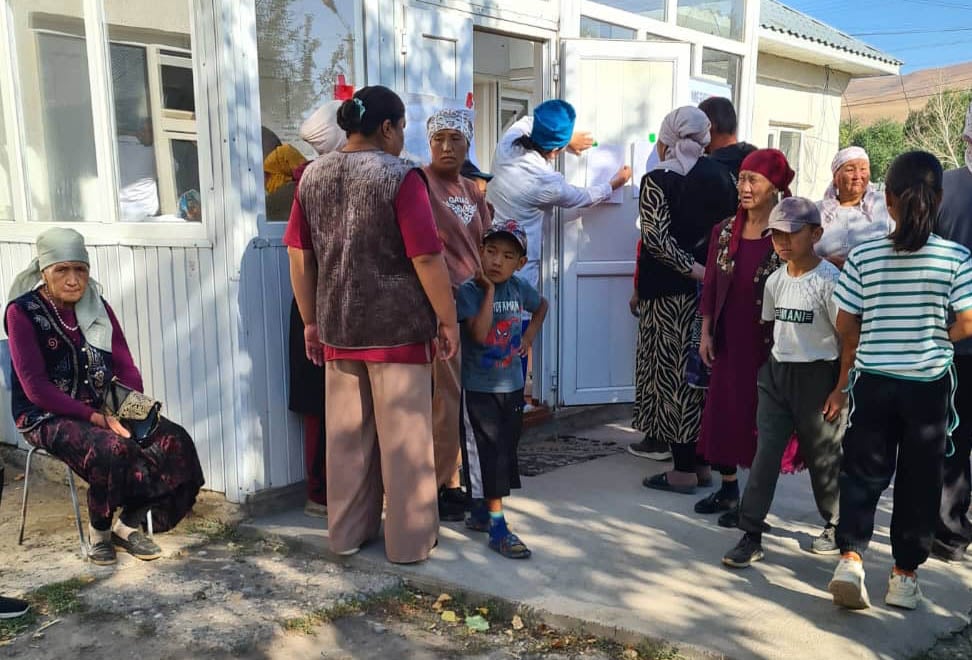 |
Reach Beyond sponsors mobile clinics each year that go to rural and remote areas where access to healthcare is limited. We also work alongside other like-minded NGOs doing medical work in the country.
This summer, Reach Beyond medical staff participated in several mobile clinics that provided care to more than 1,000 patients. The most common issues seen among children is parasites, and for adults, it’s high blood pressure, diabetes, and anemia from the lack of iron in their diet.
EDUCATION AND TRAINING
One of the challenges faced in remote areas is a limited understanding of health, especially chronic disease. Dr. Luke explains, “For example, those with high blood pressure believe that every time they get a headache, it’s from high blood pressure. Or they’ll think they only need to take their blood pressure medicine when they have a headache.”
“So part of our mobile clinics is to teach the patient about their diagnosis, treatment, and prognosis. We explain that high blood pressure is a chronic disease. We make sure they understand how important it is to take their medicine every day, that they need to get their blood pressure checked to see if their medication is working, and they need to go to a doctor if it continues to be high. We are doing this sort of basic health education with every patient.”
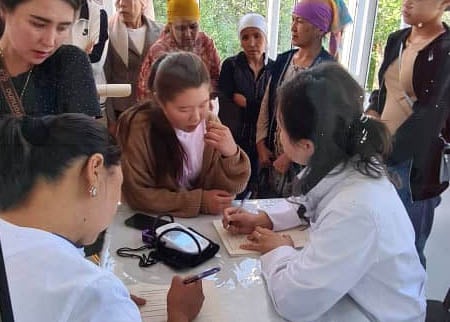
Mobile clinics also enable Dr. Luke to mentor and train others. “I think the most meaningful time for me was being able to train a local medical student. She’s one of the few Christian medical students in the country and was very eager to learn. She was helping us with translation for a local language, and so I was able to give her clinical teaching with every patient that we saw. She found that practical training to be really helpful. Our hope now is that she will continue to come on mobile clinics with us and have the heart to serve her own people.”
 |
OFFERING COMPASSIONATE CARE
Some cases are heart-wrenching. Dr. Luke explains, “Our team saw one woman who had a variety of complaints: headaches, stomach pain, weakness, and feeling tired all the time. For us, this is sometimes symptoms of anxiety or depression. And so our team was able to sit and take time with her and dig a little deeper as to why she’s having these symptoms.”
“During the exam, we were able to see that she had bruises on her body. We learned that she was being abused by her husband, which is common in this part of the world.”
Dr. Luke says, “Obviously, it’s hard for us to be able to provide much support for her when we are only in her village for one day, but we were blessed to be able to point her to a shelter for abused women that is run by believers, and to show her that there is a safe place for her.”
“Sometimes in cases like these, we feel helpless because we’re not really sure what will happen next,” says Dr. Luke. ”She was desperate and in need of help, but she didn’t want to leave her husband and their family to get away from the abuse. A lot of times, they see it as just a way of life here. But in this case, we were able to not only care for her in a loving, compassionate way, but also to find help for her.”
“Thankfully, we had another option to give her. We arranged for her to meet with a counselor we know who is a believer and is trained in dealing with domestic abuse. The woman has been able to go for counseling, and we pray that through this, she will be able to see the love of Christ and have an opportunity to hear about the Gospel.”
For Dr. Luke, this illustrates why we work with local believers. He says, “These types of relationships are really important for us. As we do more clinics around the country, we have partners that we can trust, partners that will help us if we need those types of services, partners that we can invest in and who will continue to work in that village.”
 |
CHALLENGING STIGMAS
Working in this part of the world comes with many challenges, as there is both resistance to the Gospel and laws that severely restrict any public evangelism.
“There is a stigma about Christians here,” says Dr. Luke, “Through mobile clinics, we can break down the barriers, and break down the walls of the stigma of being a Christian in a Muslim country.”
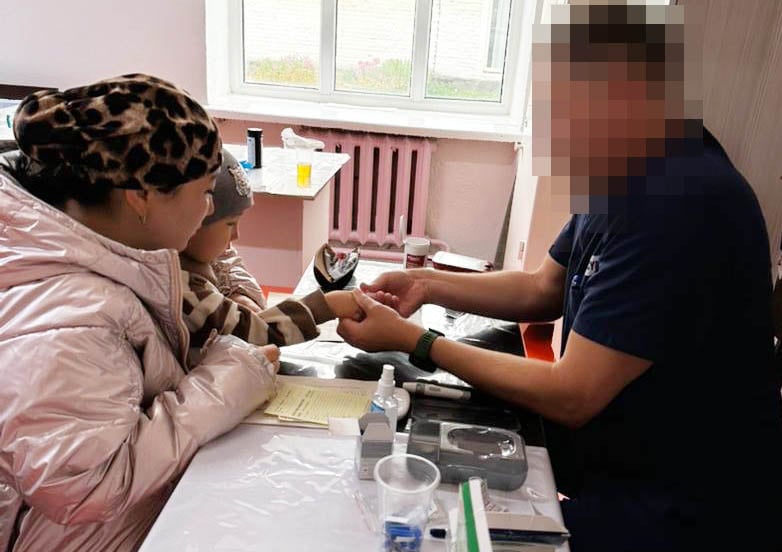
“We offer free consultations. We bring our own medications to hand out, and we are able to do some express labs that show results within a few minutes.”
“We are demonstrating how Christians care for them. We show them that it was local believers who brought the mobile clinic to their village. And that gives those believers better relationships that we hope will help enable them to share their faith with the people in that community.”
Colorado Springs, CO 80949-9800
800.873.4859